
Key findings from our survey of 85 local and independent Australian news publishers.
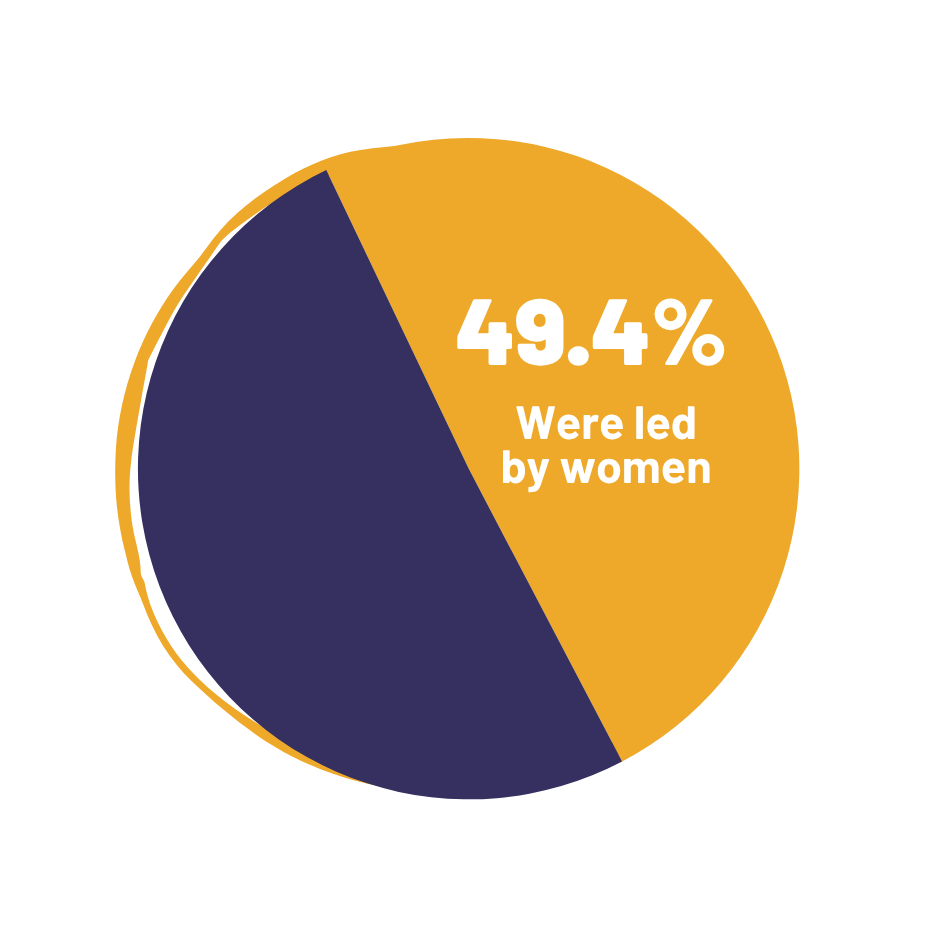
This 2026 survey of LINA members provides a snapshot profile of Australian news organisations, and shares insight into the unique challenges and successes experienced by the publishers of local and independent news services.
This includes:
85
News organisations
118
newsrooms/mastheads

Key findings
2017
Median year of founding
39
Median original news stories per month on average
2.0FTE
Median staff capacity per newsroom
Newsroom changes over time
Where available, LINA compared responses among the 25 news organisations that had completed the survey every year since LINA’s founding (2023, 2024, 2025 and 2026). These were the key findings.
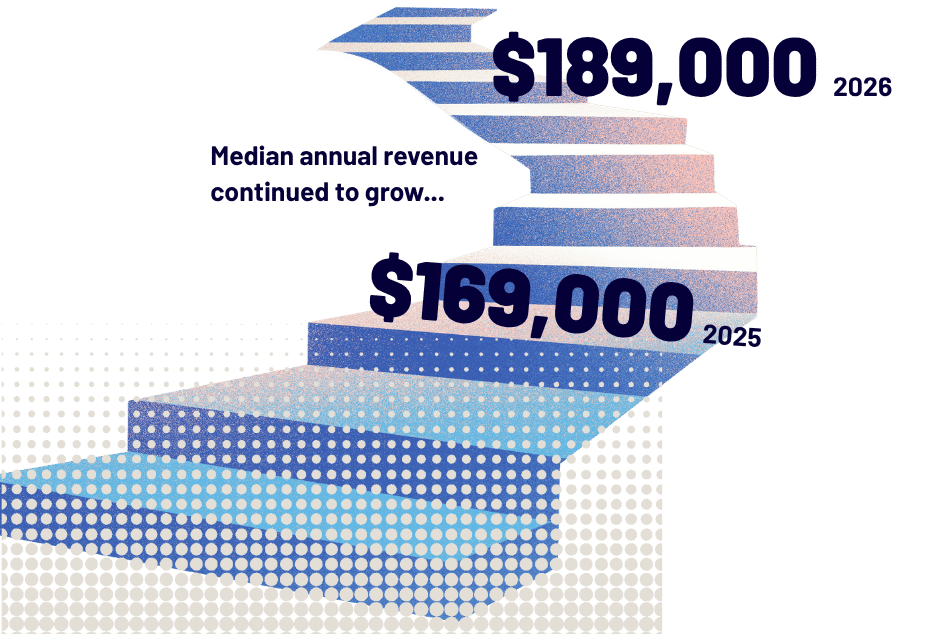
…along with median full-time equivalent staffing.
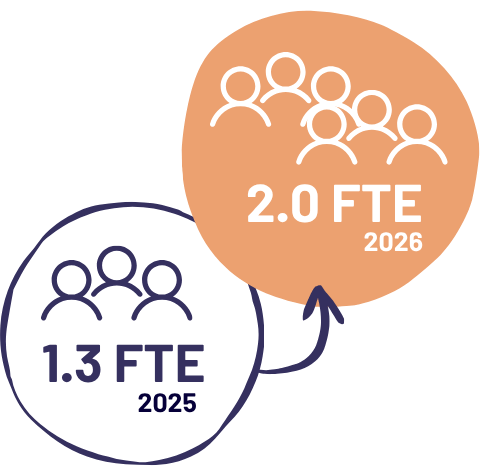
The median number of freelancers (two) and volunteers (three) was unchanged from 2025.
Organisation
NOTE: The following comparisons refer to differences between all responses this year and previous years. This is why some findings contradict those on the 25 newsrooms surveyed year-on-year above.
<10 years
Most news organisations were founded within the last decade.
Advertising remained the most common source of revenue, followed by sponsored content and government grants. Audience, Grants and Services all grew as revenue sources, while Goods fell.
The median annual revenue across all respondents was $220,000, an overall fall from last year’s $298,000
Content
13,000
Stories collectively reported during June 2026
83%
Original news content (not syndicated)
The median newsroom produced 39 original stories during June 2026, less than the 48 original stories reported in 2025.
Artificial Intelligence
73%
AI use within newsroom jumped from 51% last year to 73% in 2026
Research was the top use of AI, followed by administrative or operational work and for limited editorial support like transcription
Image generation was used by 40% and content generation by 16% of AI users

Publishing channels
The median newsroom published through four channels, with 82% using at least three and 36% using five or more.
The median website received 16,000 unique visitors in June 2026, with a median time on site of 1 minute and 14 seconds.
64%
Published a newsletter, with a median of 3,460 subscribers.
48%
Printed a newspaper, with a median distribution of approx. 7,000 copies.
Social media was used as a distribution channel by 80%of newsrooms. The top platform was Facebook, followed by Instagram.
Purpose
Publishers were asked to describe impacts that their newsrooms’ reporting had achieved for their communities in the past year. The stories that respondents highlighted as having the most impact were diverse: strengthening community, holding power to account and addressing misinformation were some of the themes that came through.
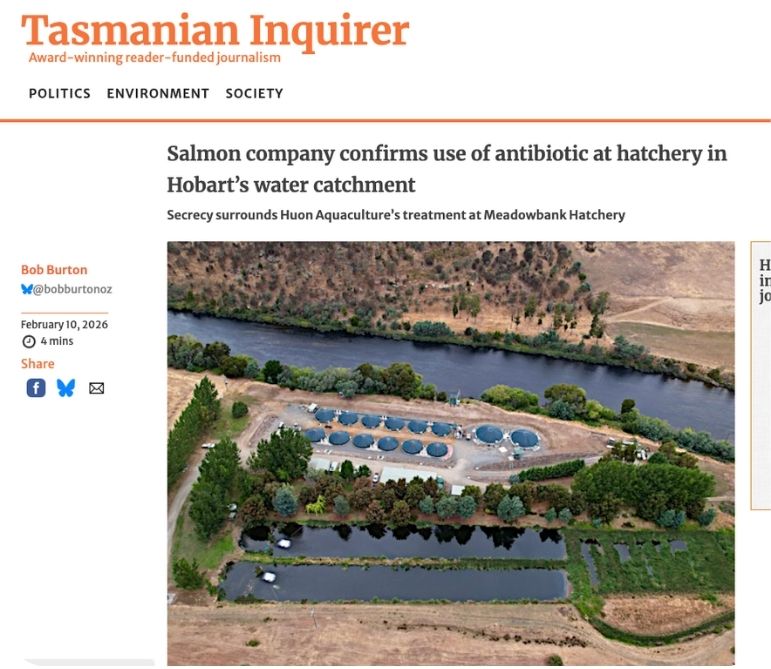
“We broke the story on a salmon company using antibiotics at a salmon hatchery in Hobart’s water catchment. This spurred follow on media coverage by the ABC Radio, TV and online, the Mercury, Derwent Valley Gazette, media releases by MPs and NGOs. [Tasmania] EPA committed to change all environmental licences for flow-through salmon hatcheries.”
Tasmanian Inquirer
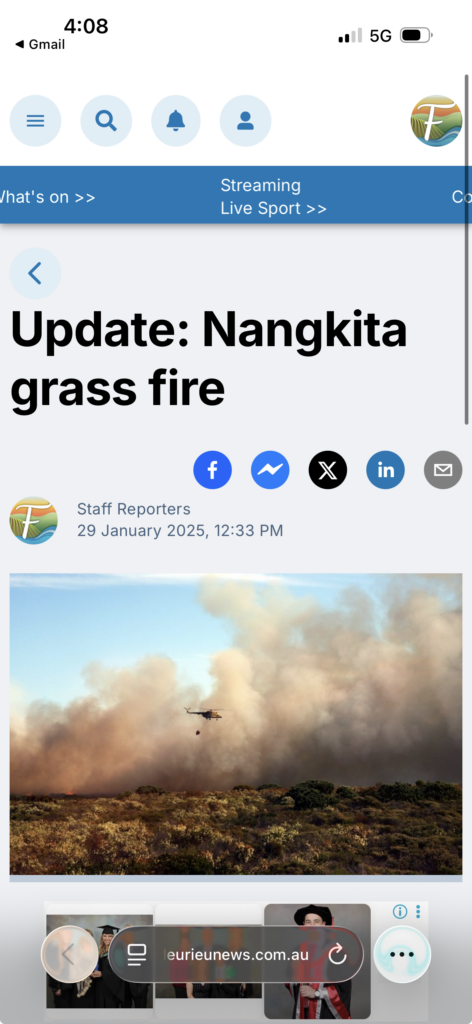
“One of the most impactful services we provided this year was our immediate push notifications during the Nangkita bushfire. As the emergency unfolded, we were able to alert our readers within minutes and continue providing timely local updates through the Fleurieu App. Many people later told us they first became aware of the fire through our notifications.”
Fleurieu App
“We were contacted by a local volunteer owned and operated wildlife organisation who was concerned the federal government had backflipped on a commitment to build a dedicated wild life hospital in the south west due to its diverse ecosystem.
“Turned out the funding they had allocated to our region, got reallocated to Kyabram – government owned facility – and now this volunteer organisation remains the only facility capable of providing wild life rescue, vet treatment and rehabilitation.
“This story led to local members of parliament speaking about the issue in state government.“
Southwest Local News
“One of the most impactful stories was to let our audience understand what a town camp was in the NT and why these settlements are important for First Nations communities in rural and remote areas.”
The Wire
“A council plan would have seen a street closed causing major inconvenience for a Greek Orthodox Church and its mostly elderly congregation. The Greek community had felt ignored and isolated until our story was published and the council eventually decided not to go ahead with the street closure.”
Anonymous publisher
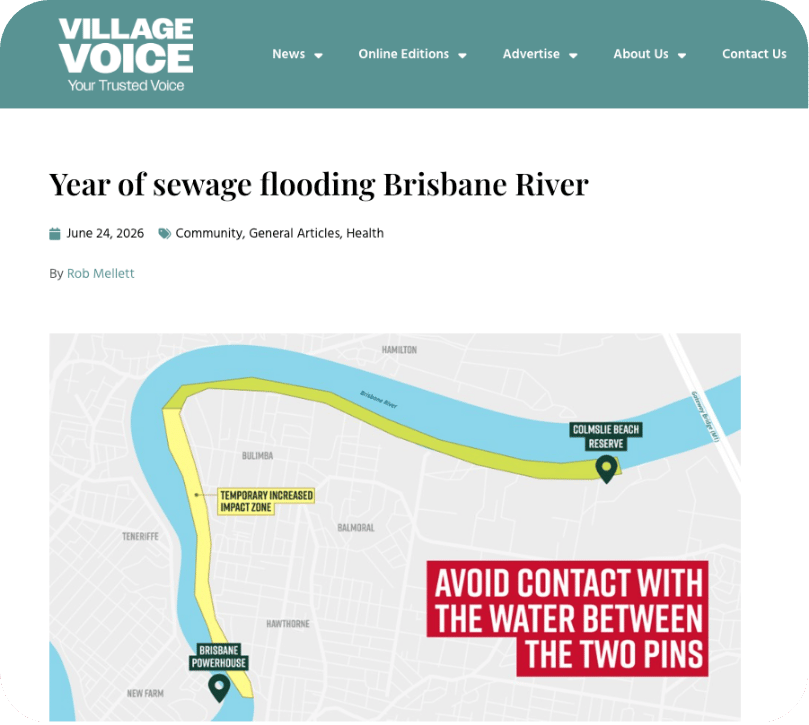
“We have produced a series of articles about sewage overflows into the Brisbane River throughout the year. This has raised awareness in the community about contamination of the river water and Urban Utilities practices and concerns about adequate warnings.
“Our latest article has looked at paddlers who have contracted infections from river water and we have had an engaged response from readers on the topic.”
Village Voice
Full report
Media contact:
Nell O’Shea Carré
nell.oshea.carre@lina.org.au
+61 468 774 682
LINA supports newsrooms all the way from inception (see our Newsroom Starter Kit) to established, sustainable news organisations.
To be eligible for LINA membership, these independent newsrooms must be producing high-quality, public interest journalism, and meet a number of other requirements.
Want to join us?
See what LINA can do to help your newsroom, contact us with any questions, or apply for membership!