Strong journalism is the heart of your newsroom — and we’re here to help you strengthen your skills, find new stories, and collaborate with others.
Emergency reporting resources
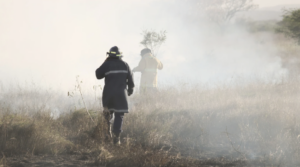
Resources for news publishers on how to cover crises and disasters as they unfold. These may be particularly relevant to hyperlocal journalists during bushfire season in the Australian Summer.
Content sharing
Syndicated news is generally avoided by local and independent publishers — after all, it is the original, local content that makes your work so valuable. However, there are times when contextual stories provided by or with other sources can supplement your local reporting. Here are some organisations providing content that has been created under strong editorial policies ensuring quality, accurate and fact-checked information.
AAP can help support your work by providing coverage of state, national and world events, so your journalists can focus on local stories without stretching themselves to cover the bigger picture news. AAP content is written to be published as is, or modified to suit your publication’s individual voice.
AAP’s photo and video archive can also be used to illustrate your own stories as well as those sourced from AAP. AAP Agenda can keep your newsroom up-to-date on news events each day, and AAP FactCheck provides a great resource for newsrooms looking to keep public figures accountable.
The Conversation Australia and New Zealand is a unique collaboration between academics and journalists, and is “the world’s leading publisher of research-based news and analysis”. Professional editors turn knowledge and insights from academics into easy-to-read articles, and make them accessible to readers.
All their work is free to read and free to republish under Creative Commons, with the goal to provide access to quality explanatory journalism essential for healthy democracy. Read the guidelines for republishing content from The Conversation here, or contact the team for assistance.
Story leads
Need inspiration for your next piece? Check out our monthly story leads and reporting opportunities to help keep your newsroom calendar full and your community covered.
Election reporting
Covering local elections comes with high expectations — and tight timelines. This guide is packed with checklists, tools and resources to help you plan ahead and report with confidence.
Collaborate with the ABC
Have a strong journalism idea that needs extra support to develop or amplify? Submit an Expression of Interest to explore collaboration through our strategic partnership with the ABC.
Content Sharing AAP / 360Info
Together with AAP and 360info, we covered the different types of news content and how content sharing can be used by your publication.

Solutions journalism
Some innovative newsrooms are finding ways to monetise solutions journalism and constructive journalism, supporting the ongoing sustainability of their organisation and their ability to continue to produce public interest journalism. This article unpacks a model that could be used to monetise solutions journalism within your own newsroom, and contribute valuable reporting to your local community.
Mental health reporting
Reporting on mental health is an important responsibility — and we’re here to support you in doing it safely, sensitively and with care. We’ve compiled some resources for reporting on mental health-related topics, as well as tips to help protect your own wellbeing when covering challenging stories.
Sharpen your interview skills
Master the art of interviewing with this 45-minute audio webinar designed to enhance your skills. Run by CMTO, it covers news values, crafting impactful questions, and managing interview styles. Perfect for new staff or anyone looking to improve their interview techniques.
Cost: $10
Want to host an intern?
Reach out to us and we can help coordinate this with a university near you!
MEAA Code of Ethics
Ethical journalism is the foundation of public trust. The Media, Entertainment and Arts Alliance (MEAA) Journalist Code of Ethics provides guidance for honest, fair, independent and respectful reporting, with additional guidelines to support coverage of hate speech, extremism and LGBTQIA+ issues.
Data journalism
Google News Initiative (GNI) has some resources to help journalists with research for data-driven stories and tools to convey these stories with engaging data visualisations and infographics (Canva is also a great tool for this). Get started by having a browse of GitHubs partial, curated list of publicly available, free/open source and open access resources for learning and doing data journalism. More from LINA coming on this soon!
Useful tools and resources
There are many tools and resources available online that are completely free, or have a free basic service (freemium). We’ve compiled an extensive list that might be useful, covering areas such as audio and video editing, design and distribution.