
Resources, policies and templates to help build engagement with news content on social media.
Platforms
Choosing appropriate social media platforms for your newsroom will depend on your audience—both current audience and the one you are hoping to reach. Here are a few of the most popular platforms to consider.
This remains the most popular platform for audiences of all ages to access news. Note that Meta (Facebook’s owner company) is not very transparent with algorithms, and news content has been highly deprioritised lately, so it could be difficult to build your audience. Community groups are very popular sources of local news and information, so sharing your content into these groups (often moderated by a local volunteer) would be a good place to start.
This platform is most popular for younger audiences to engage with news content. Video and strong multimedia content will perform best. Instagram is also owned by Meta, so algorithms can tend to prioritise creator content over news. Consider having a journalist present this content as the ‘face’ of your newsroom—it helps build trust and brand awareness.
This is predominately used by younger audiences to access news. As with Instagram, it’s generally best to use people, aka your journalists, to present this news content.
X used to be a very popular platform for journalists to engage with one another and current events, and share news content. X’s popularity has declined recently, and some of its features have been made into premium (paid) extras. Many X users have migrated to Bluesky.
Bluesky is an open-source platform, which is helpful for newsrooms as it means you ‘own’ your audience. Its rise to popularity was quite recent, so we’ve yet to see how useful it’s been for local newsrooms, but we’d hypothesise that it’d be most useful for independent newsrooms wanting to reach a national audience.
Design
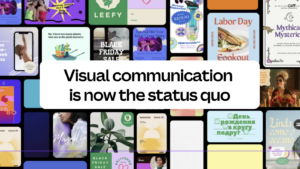
A strong social media strategy requires good design. Audiences online will overlook quality news content if it doesn’t have engaging design associated with it. Consistent, recognisable design is also important to establish your brand and become an easily recognisable source for scrollers.
Don’t forget: LINA members receive a free Canva pro subscription. Canva can be used to design social media content including image posts and reels or videos (and much more).





Multimedia content
Social media accounts will perform best with strong multimedia content—particularly video. Keep your videos short, snappy and engaging. Using greenscreen filters (built into video creation apps like TikTok) to share images and graphs while a journalist presents the news story is a popular format for newsrooms. Generally these videos require a different style and tone of presentation than a broadcast news story: much more fun, personal, and energetic. Social media audiences often like to feel like they’re in the ‘inside circle’/engaging with a friend, so behind-the-scenes and unpolished content tends to perform well.



Policy templates
Social media policy
This template is designed to be adapted as an internal document for news publishers, to set expectations across teams and contributors on the use of company social media forums and provide guidance for best practice measures to protect organisational reputation in social media spaces.
Social media terms of use
Newsrooms can adapt this template to guide how people interact—especially in the comments—within their online community spaces.